






Rated 4.9+ stars by
verified, happy customers

The role of family caregivers is essential for helping seniors manage pain and symptoms at home. For family members unable to visit their loved ones regularly to help with pain management, family caregivers fill the gap by offering nonmedical, supportive care. With approximately 27% to 34% of seniors over the age of 65 experiencing chronic pain, the need for quality in-home care is crucial.
This guide examines nonmedical strategies for helping seniors to manage their pain, the value of companionship care and how to assist with everyday tasks.
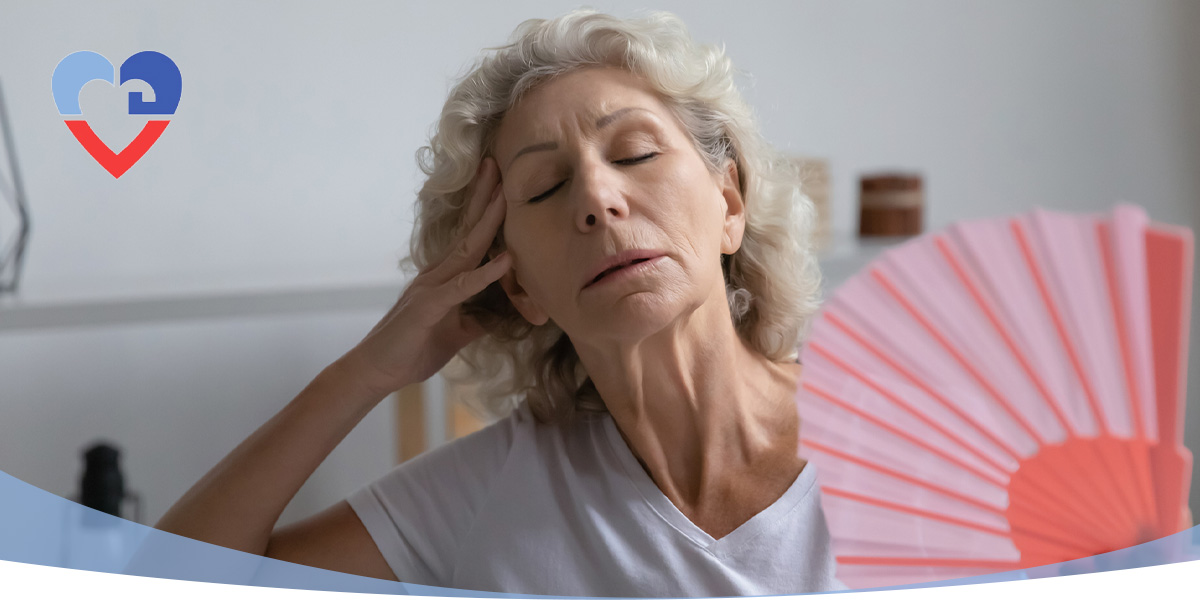
Many seniors experience issues with constant pain, which affects their everyday life as well as their physical and mental well-being. Below are the most common symptoms and pain types that professional and family caregivers should be aware of:
The primary difference between acute and chronic pain is that acute pain typically lasts for three months or less. Common examples include burns, sore throat, headaches and sinus infections. Chronic pain may last longer than three months. Examples of chronic pain include arthritis, lower back pain, fibromyalgia and complex regional pain syndrome (CRPS).
Instead of characterizing them as pain, seniors may underestimate their symptoms, which can lead to issues with diagnosis and undertreatment.
As we get older, it is common to have issues such as joint stiffness, back pain and muscle soreness. Pain is a standard part of the aging process and is not always a sign of arthritis or similar conditions. Loss of muscle strength, stiff connective tissues and wear of cartilage can cause difficulties with simple day-to-day tasks. Changes in the spine may also lead to problems with lower back and foot pain.
Seniors and family caregivers must pay attention to the following pain symptoms:
Living with chronic pain is a constant struggle for seniors. Even carrying out daily tasks, such as getting dressed or walking from one room to another, can be challenging and impact your loved one’s quality of life. Here is an overview of key caregiving tasks that make a difference:
Keeping the house organized and clean helps maintain hygiene and reduces the risk of strain or falls. Small tasks like dusting, putting belongings away in cupboards and moving things out of the way make a significant difference. Keeping on top of housekeeping with a manageable schedule allows your loved one to feel secure and comfortable in their environment.
Especially when caring for arthritis patients, it is essential to establish a well-balanced diet and guarantee that seniors stay hydrated. Diet and hydration are crucial for maintaining tissue health and joint cartilage, which can help limit discomfort and stiffness. A nutritional diet plan — including fish, vegetables and nuts — with plenty of fluids is also vital for energy levels.
Including light and regular exercise activities, such as chair yoga, walking and stretching, is an effective method for improving mobility and limiting chronic pain symptoms. Maintaining an exercise regime helps to improve flexibility, reduce pain signals and strengthen muscles. Despite the benefits, make sure to balance exercise with restful periods to combat fatigue and pain.
Continue to monitor symptoms, such as changes in mobility and joint and muscle pain. If your loved one’s symptoms progress with more extended periods of stiffness and pain when moving, it is advisable to contact a doctor. To manage conditions like arthritis and how to manage urinary tract infection (UTI) pain at home, your loved one may require verbal reminders to take their medication.
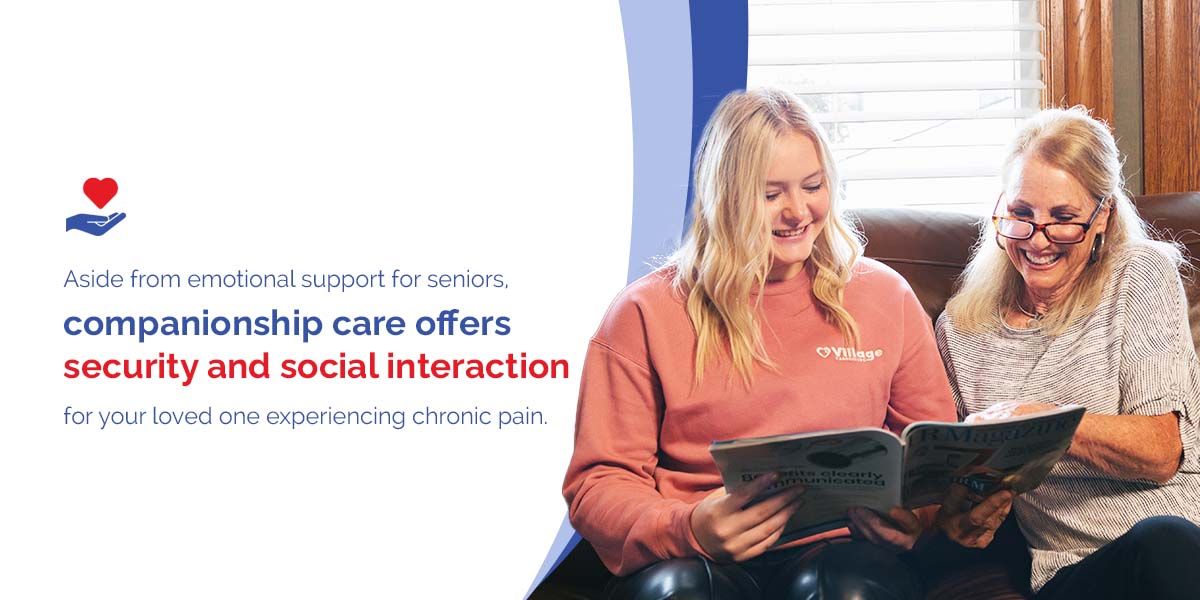
Aside from emotional support for seniors, companionship care offers security and social interaction for your loved one experiencing chronic pain. Becoming less isolated reduces stress levels, which contributes to how individuals perceive pain. Providing valuable help with daily tasks and participation in activities boosts resilience and aids recovery.
Providing the best quality home care for your loved ones is essential for their physical and mental health. Therefore, adapting their home environments to work around their pain symptoms allows them to feel secure and comfortable. Consider the strategies below for adjusting your loved one’s home:
Lighting is a feature we all take for granted. However, vision changes are prevalent as people age. Dimly lit rooms and dark spaces are dangerous spots for seniors with poor eyesight. Consider adding LED bulbs in every room in your loved one’s home that are bright and glare-free. To avoid finding a light switch in the darkness at night, motion-sensor lighting in hallways and bathrooms helps your loved one avoid feeling stressed.
Loose wires, trip hazards and furniture that leave little room to navigate from one space to the next are significant risk concerns. Spaces with clutter hazards are particularly hazardous for seniors experiencing pain and mobility issues. Make sure rugs are either removed from the home or secured with antislip backing material.
Staircases and hallways must be kept clear from clutter, such as cords and boxes, to avoid falls. Creating enough space for loved ones using mobility aids to move around comfortably warrants their protection.
Alongside anti-slip backing for rugs, evaluate the flooring in your loved one’s home. Consider the potential dangers associated with flooring types, such as tiles and hardwood floors, to minimize the risk of falls. For kitchens and bathrooms, nonslip mats with moisture resistance offer extra protection. Think about applying a nonslip coating to floor types such as glossy tiles, or replace these tiles with a textured nonslip flooring where possible.
Seniors living with chronic pain will require extra support, including handrails and grab bars, to help move around their homes. These support features reduce the strain on your loved one’s body, particularly if they have arthritis. With staircases, fit handrails on both sides for added security and grab bars in bathroom areas, such as showers, bathtubs and next to toilets. For concerns about unstable furniture, consider swapping wobbly pieces for sturdy ones.
Another consideration is storing regularly used items in proximity to your loved one, thereby saving them stress and strain from having to search for items.
Aside from creating clutter-free spaces, incorporating adaptable features into your loved one’s home helps them feel more independent. Accessible adjustments are especially beneficial for seniors experiencing arthritis, mobility issues and joint pain. To limit the amount of stretching and bending, keep items like medications and a telephone within arm’s reach. Consider rearranging the furniture and making modifications, such as installing raised toilet seats, to improve accessibility.

Managing pain conditions such as fibromyalgia and arthritis can be challenging. However, with the help of empathetic and experienced family caregivers, seniors often feel more comfortable and supported with their everyday activities.
By partnering with Village Caregiving, your loved one will receive care from our team, which understands the importance of a personalized care plan. Whether they require companionship care, light housekeeping or 24/7 care, our compassionate family caregivers enable your loved ones to feel confident and independent.
Ready to find out how our team can help your loved one? Contact us to discuss a personalized care plan tailored to your needs.