








Rated 4.9+ stars by
verified, happy customers

Senior isolation is a growing nationwide concern that impacts aging adults’ routines, emotional health and quality of life. Research from the University of Michigan’s National Poll on Healthy Aging, which surveys adults aged 50 to 80, reveals the prevalence of disconnection in this demographic segment. Among the findings, 33% of respondents said they felt lonely and 29% experienced social isolation in the past year.
In-home care is an option for seniors who wish to age in place and don’t require skilled medical attention. Companion caregivers provide valuable routine, conversation and everyday stimulation that keeps seniors mentally active and involved.
Companion care replaces passive supervision with active engagement. A caregiver will turn formerly lonely hours into structured days built around meals, movement, conversation and meaningful interaction that encourages independence and improves quality of life.
Families considering a companion caregiver for daily activities typically have several questions. For example, will a hired caregiver actively interact with the aging adult or merely sit nearby?
A companion caregiver helps seniors stay independent at home by providing emotional support, helping with daily routines and light household tasks. This service encourages seniors to stay engaged, organized and connected throughout the day.
Companion caregiver responsibilities include:
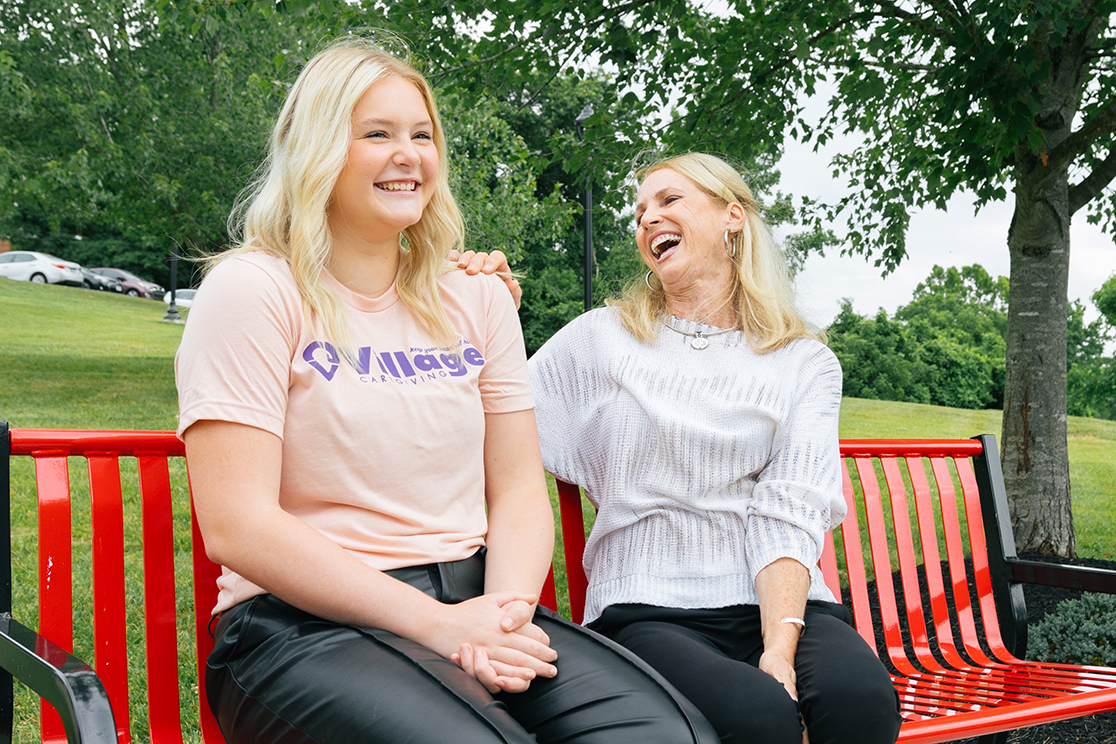
Village Caregiving provides personalized in-home assistance with daily routines, companionship, meal preparation, and more.
Find Care Near You
Companion care focuses on socialization and nonmedical assistance, whereas personal care entails direct, hands-on help with personal and medical tasks.
| Difference | Companion Care | Personal Care |
| Primary focus | Socialization and light aid with daily tasks | Hands-on physical assistance with daily personal tasks |
| Services provided |
|
|
| Physical assistance | No hands-on physical help | Direct, hands-on physical help |
| Training requirements | No national certification is necessary, but some states or agencies may require brief courses | Requires formal training, typically as a certified nursing assistant or home health aide |
Companion care works best for physically capable seniors who struggle with loneliness, lack motivation or need help with day-to-day organization. Many aging adults fall into this category long before medical or personal care becomes necessary.
Companion care benefits seniors who:
Families may notice signs that suggest companion care would be beneficial, such as:
Consistent mornings improve mood, appetite and energy. Dependable habits ease the transition into the day, so caregivers focus on maintaining essential stability.
Caregivers provide a calm and respectful wake-up routine tailored to the senior’s preferences and habits. They also monitor changes in balance, speech or mood and inform family members as needed.
Wake-up assistance may include:
Proper nutrition helps seniors maintain their energy levels throughout the day. Companion caregivers prepare breakfast that aligns with dietary needs, preferences and medical guidelines.
Morning meal responsibilities could encompass:
During the day, caregivers maintain structure and engagement in seniors’ usual routines. They encourage seniors to make healthy choices, stay active and set their preferred pace when possible.
Light housekeeping reduces strain and health risks while maintaining a clean and functional home. Companion caregivers provide daily upkeep without taking control away from the senior.
Household assistance may include:
Mental engagement improves seniors’ memory, focus and emotional well-being. Caregivers suggest activities based on the senior’s interests and abilities.
Gentle movement maintains seniors’ mobility, circulation and balance. Caregivers suggest activities based on the senior’s degree of comfort, ability and energy level. Caregivers prioritize secure movement and proper pacing instead of intensity.
Evening routines help seniors slow down, stay secure and prepare for rest. During this part of the day, companion caregiver daily activities focus on maintaining a calm pace, reinforcing familiar routines and staying attentive as needs change during the evening.
Caregivers make dinner simple and easy for seniors. This includes preparing or reheating meals or helping the senior choose from available meal options without pressure.
After meals, caregivers assist with:
Evening activities depend on personal preference, helping seniors settle into a calmer space without overstimulation. Companion caregiver support during this time focuses on low-effort activities that feel relaxed rather than structured:
Companion caregivers follow a checklist to help the senior feel secure before they leave at the end of the day:
Companion care is most effective when it is consistent and dependable. Daytime routines keep seniors engaged and organized, while evening care emphasizes comfort, helping the day come to a positive close. Together, these moments create a dependable rhythm that encourages at-home independence.
Village Caregiving pairs seniors with compassionate caregivers who focus on creating meaningful moments at home. Our team has the flexibility to support individual interests through familiar activities like conversation, games, hobbies or outings.
Care plans reflect personal routines and preferences rather than a fixed checklist. If you’re exploring companionship for yourself or a loved one, contact us to schedule a complimentary consultation and discuss customized companion care options.
Ready to Give Your Loved One the Care They Deserve?
Village Caregiving builds personalized home care plans — from meal support to companionship — so your family can feel confident every step of the way.