


Parkinson’s Disease Home Care

At Village Caregiving, we are dedicated to providing compassionate home care solutions tailored specifically for individuals living with Parkinson’s disease.

flexible-image
text-icon-cards-logo-1
text-icon-cards-logo-2
best-place-to-work-in-healthcare-2024-1
text-icon-cards-goggle text-icon-cards-star

Rated 4.9+ stars by
verified, happy customers

Reliable Care When You Need It Most

When a loved one is diagnosed with Parkinson’s disease, it can feel like a challenging journey for everyone involved. However, with the right support and care, this journey can also be filled with moments of joy, connection and dignity. 

Contact Us Today

Understanding In-Home Care for Parkinson’s Patients​

Home care is an invaluable resource for individuals living with Parkinson’s disease. It provides the support necessary for patients to thrive in familiar surroundings. Home care is essential for Parkinson’s patients as it offers many benefits, including:

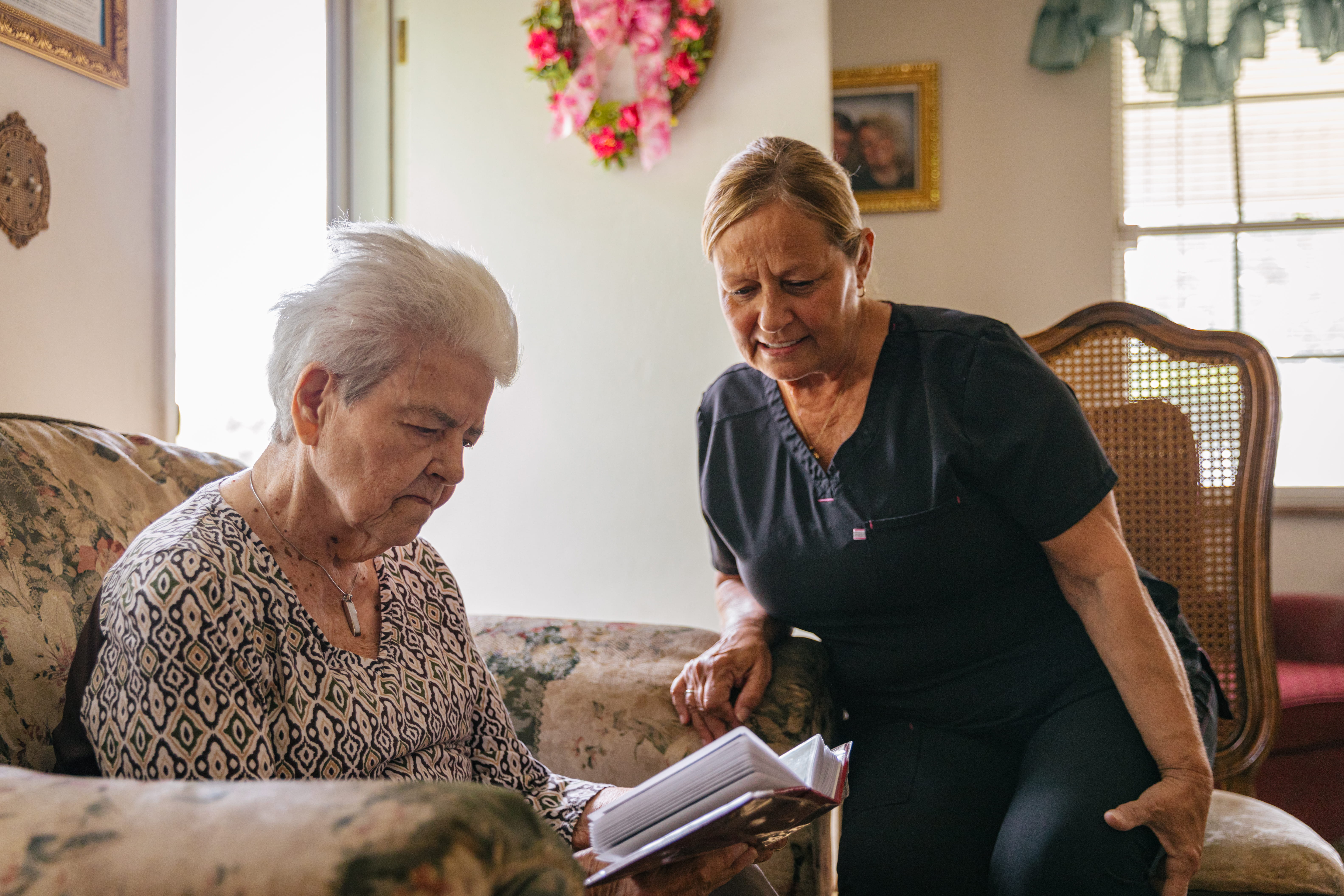
One of the most significant advantages of home care is that it allows Parkinson’s patients to remain in their own homes. Familiar surroundings can greatly reduce anxiety and stress, which is particularly important for individuals dealing with a progressive disease. Being in a known environment can enhance comfort and security, making it easier for patients to engage in daily activities and maintain their routines.

Find a Caregiver Near You

VCG_Ashland-13-1

Personalized home care provides tailored support that meets the needs of each patient. At Village Caregiving, we focus on creating individualized care plans that consider the patient’s preferences, abilities and lifestyle. This approach addresses physical needs, such as assistance with daily activities and mobility support, and emphasizes emotional and social well-being. Our home care services can include respite care, hygiene assistance, ambulation, companionship, laundry, cooking, eating assistance, appointments and more.

VCG_Ashland-13-1

Common Challenges in Parkinson’s Home Care

While home care offers numerous benefits, there are also common challenges that families and caregivers must navigate:

  • Mobility issues and fall risks: Mobility challenges are a hallmark of Parkinson’s disease and can lead to an increased risk of falls. As patients experience stiffness, tremors and balance difficulties, they may struggle with moving around their home. This makes it critical for home care providers to implement measures, such as modifying the living space to reduce hazards and offering mobility support to help patients navigate their environment confidently.
  • Managing daily activities and routines: Parkinson’s disease can make managing daily activities increasingly difficult. Tasks that were once routine, like cooking, cleaning and personal care, may become overwhelming for patients. Home care provides the necessary support to help patients maintain their independence while assisting essential daily activities are completed. Our vetted family caregivers assist with everything from meal preparation to medication reminders. This allows patients to focus on what matters most — enjoying their lives.
  • Addressing caregiver burnout: Family caregivers often face significant challenges in providing care for their loved ones. The demands of caregiving can lead to physical and emotional exhaustion, commonly called caregiver burnout. It is crucial for family caregivers — especially adult children caring for elderly parents — to prioritize their own well-being. This is where respite care becomes invaluable, allowing caregivers to take breaks and recharge while their loved ones receive the quality care they need.
07-service-img-companionship-v01

Respite care serves several important purposes for caregivers and patients:

  • Relief for caregivers
  • Consistent care for patients
  • Opportunity for patients to get social interaction

Understanding Respite Care for Parkinson’s Patients

Respite care is a service designed to provide temporary relief to family caregivers — they can take a break while aloowing their loved ones continue to receive high-quality care. It is a crucial component of the overall support system for individuals living with Parkinson’s disease.

Our team is well-trained in senior care and understands the unique demands of this population. Our caregivers enjoy the opportunity to engage with clients in activities that help keep their minds sharp. For example, listening to music and playing board games or playing cards. Another essential element of respite care for seniors is companionship. At Village Caregiving, we do more than just basic tasks. Our caregivers build connections with seniors and look forward to getting to know them.

Benefits of Respite Care for Parkinson’s Patients​

The benefits of respite care for Parkinson’s patients are:

  • Improved quality of care: With trained family caregivers stepping in, patients often receive focused attention and care tailored to their needs. This can boost their overall well-being.
  • More independence: Respite care helps patients maintain a sense of independence by allowing them to engage with different caregivers and activities, fostering confidence in their ability to navigate daily life.

Find a Caregiver Near You

Why Choose Village Caregiving for Parkinson’s Disease Care?

One of the standout features of Village Caregiving is our people. Our Parkinson’s disease caregivers are passionate and trained individuals who want to make a positive impact in the lives of those they assist. We attract professionals dedicated to providing compassionate care, making us a sought-after employer in the home care industry. Our team of family caregivers is the heart of our organization.

Village Caregiving has been honored with multiple “Best Home Care Agency” awards in local newspapers, showcasing our dedication to providing high-quality care. As the largest privately owned home care company in the country, with over 50 locations from Baltimore, MD, to Boise, ID, we have the resources and experience to support families effectively.

We offer flat rates for our services, which means our hourly rate remains consistent, regardless of the day or time — whether it’s nights, holidays or weekends. Whether care is needed once a day, once a week or somewhere in between, personalized care plans are flexible for any schedule.

Every office provides a 24/7 cell number so you can reach your closest office directly. This level of accessibility reflects our commitment to being available and attentive to your needs.

Another key advantage of Village Caregiving is our flexibility and responsiveness. We pride ourselves on being willing to go the extra mile to meet our clients’ needs, even if they involve unconventional requests.

If a client wants ice cream delivered or has a special occasion to celebrate, we embrace those opportunities to bring joy. We believe in being the “easy button” in the industry, adapting to families and providing personalized support.

Our coordinated services mean we document all personal preferences, medical needs and other important details, so if your usual family caregiver is unavailable, backup care services can easily step in if needed.

Village Caregiving Is Here to Help

Fill out the form below to learn more about how we can care for you or your loved ones.

GettyImages-1287113123-scaled-min

"*" indicates required fields

choose from the dropdown provided

Parkinson’s Care FAQs

Do you need more information about Parkinson’s care? We are here to answer your most frequently asked questions.

Parkinson’s care provides specialized support for anyone with Parkinson’s disease and their family or caretakers. It focuses on managing symptoms, such as tremors, stiffness and balance issues, as well as non-motor symptoms such as sleep problems or depression.

The goal is to help patients maintain their independence and quality of life. Parkinson’s care often involves a team of healthcare professionals and caregivers who collaborate with family members and caretakers to provide customized care.

Families should consider supportive care when Parkinson’s symptoms start to hinder daily activities, safety or independence, even slightly. Common challenges include difficulty bathing and dressing alone or trouble moving around.

When you begin Parkinson’s care early, you can establish routines that become crucial support systems when challenges become overwhelming.

Parkinson’s care is unique because it requires caregivers with specialized training on the disease’s progression and varied symptoms. Unlike general senior care, it involves assisting with motor fluctuations during “on” and “off” periods.

Support includes managing specific symptoms, providing cognitive and emotional support and strictly managing medication schedules. All of these factors are crucial for symptom control.

Yes, Parkinson’s home care is often adjusted based on the disease’s progression. As symptoms change, so will the required support. Effective Parkinson’s home care is flexible and adaptable to meet the patient’s changing needs.

Our care team regularly reviews care plans and modifies them to match the current needs of an individual and their family. Common care plan changes include increasing care hours, introducing new types of assistance and adjusting support for new symptoms.

People living with Parkinson’s require changes to increase their quality of life and safety at home. To prevent falls and improve independence, effective home safety changes include:

  • Removing tripping hazards, such as rugs and clutter.
  • Improving lighting, especially in hallways and bathrooms.
  • Installing grab bars in bathrooms near the toilet and in the shower.
  • Getting a raised toilet seat and nonslip bathroom mats.
  • Ensuring furniture is sturdy and reinforced for support.
  • Keeping frequently used items organized and easily accessible.

Home care is helpful at any stage of Parkinson’s disease. As the disease progresses, the role evolves:

  • Early stages: Light assistance can include help with housekeeping tasks, medication reminders and support with physical exercise.
  • Middle stages: Care becomes crucial for daily activities, such as dressing, bathing, meal preparation and mobility management.
  • Advanced stages: When symptoms worsen, comprehensive assistance helps with all daily living activities, including intense symptom management and round-the-clock support for advanced mobility and cognitive changes. It’s often more beneficial to start care and planning proactively and adjust as the disease progresses.