







Rated 4.9+ stars by
verified, happy customers

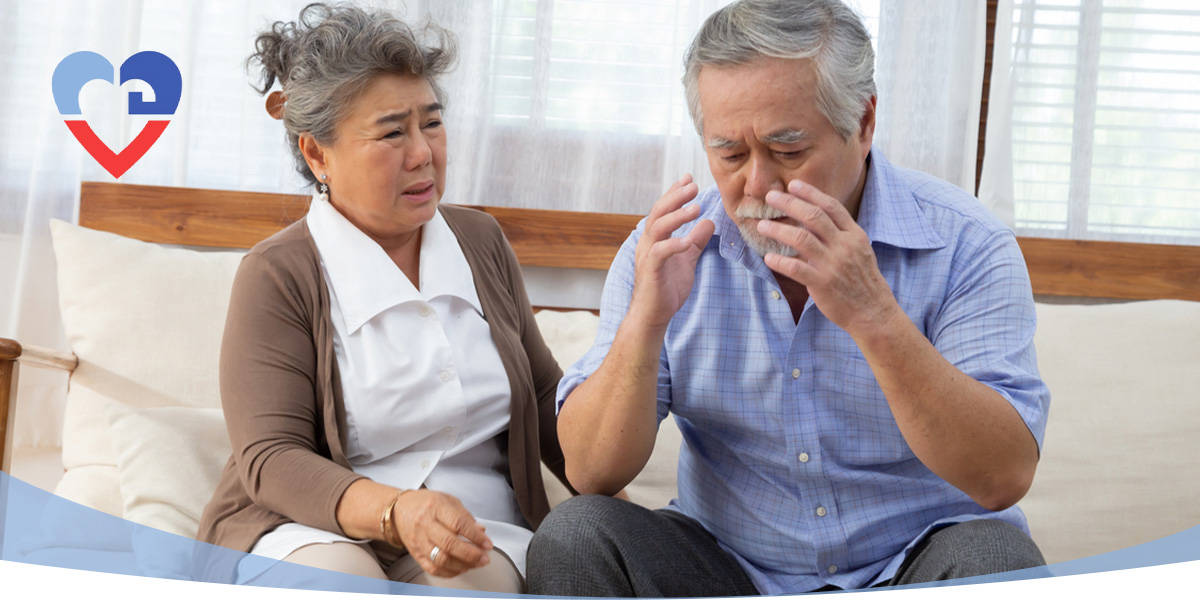
The risk of falling increases as we age, and the chances of fall-related problems also rise. This occurs for many reasons, from vision and reflex changes to medical conditions and certain medicines that cause dizziness or balance issues.
If an older adult in your life has recently fallen, it’s vital that they receive medical attention, even if you don’t notice any apparent injuries. A health professional can assess their symptoms and create a recovery plan to help them feel better and avoid future falls. Learn the immediate steps to take after an older adult falls and how to prevent similar occurrences.
If you have an older relative, especially if you are their caregiver, you should know the steps you might need to take if they fall. Here’s how to help them:
Immediately after an older adult in your care falls, keep them calm, comfortable and still. Follow these steps:
If your loved one is experiencing severe symptoms like bleeding, lethargy, confusion, dizziness or other signs of a head injury, call 911. Do not attempt to move them yourself, as you might accidentally cause further harm.
If your family member is bleeding or has an immobilizing injury, you can administer basic first aid after calling emergency medical services:
If your family member isn’t experiencing pain and feels confident about getting up, keep them steady. Only assist them if you think you can confidently help — you don’t want to accidentally injure yourself. Emergency medical service providers are trained to assist seniors after a fall, so contact them for help, especially if you think your loved one needs medical attention.
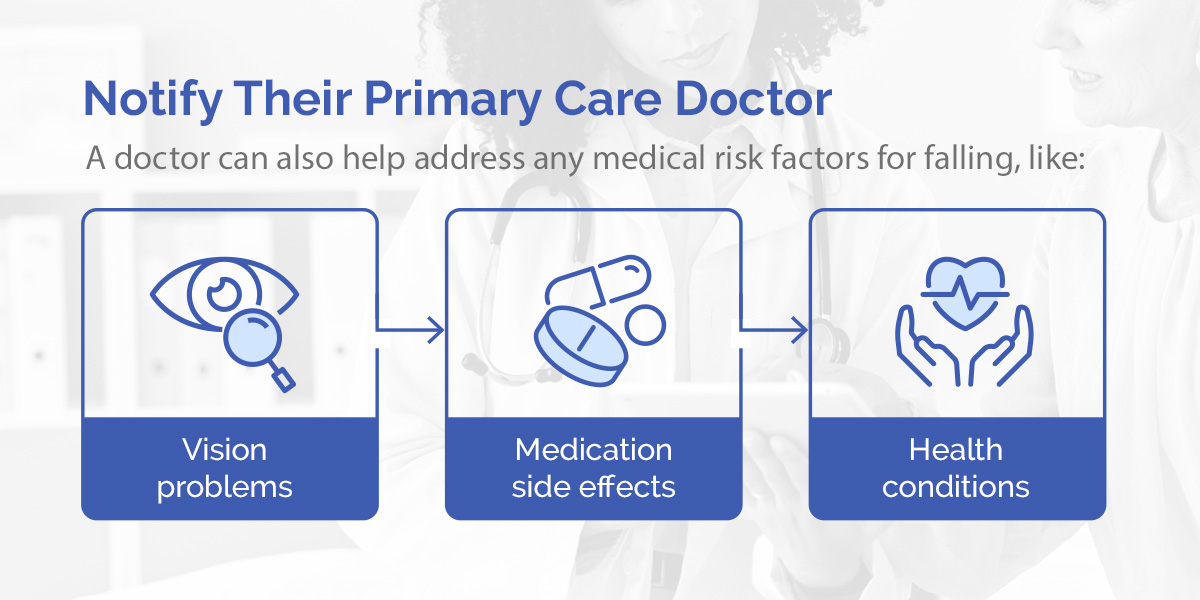
After a fall, notify the senior’s physicians, family caregivers and any other relevant health care professionals. Then, take the senior to see their primary care physician for a quick checkup to discuss any concerns you may have, such as fatigue, muscle weakness or shuffling of feet. A doctor can also help address any medical risk factors for falling, like vision problems, medication side effects and health conditions.
Knowing when to go to the hospital after an older adult falls is essential, especially if you are their primary caregiver. Seek medical attention if your family member shows warning signs of a serious injury. Emergency symptoms to look for after an older adult falls include:
Village Caregiving provides personalized in-home assistance with daily routines, companionship, meal preparation, and more.
Find Care Near You
Research shows that once seniors fall, their chance of falling again doubles. Another fall could lead to worsened injuries like a broken hip, head injury or another issue that impacts their everyday life. Repeat falls could also suggest a serious medical problem that warrants immediate attention, so don’t hesitate to seek help.
After a fall, an older adult might act like they’re perfectly fine. However, they could downplay the severity of the pain for various reasons, such as wanting to maintain their independence or even feeling embarrassed. It’s always a good idea to call for emergency medical services if an older adult in your care falls, even if they don’t show signs of a serious injury.
Collaborate with your loved one’s doctors and family caregivers on a recovery plan after they fall. Health care professionals will create a tailored recovery strategy to meet their exact needs. This could include:
If needed, walking aids like canes or walkers can support an older adult’s mobility as they recover, while physical therapy can help them regain their range of motion, strength and balance. In-home family caregivers may also be trained in mobility assistance and can recognize the signs of elderly deterioration after a fall, providing the well-rounded care your loved one deserves.
You can help prevent an older adult from falling with a few simple tips:
A secure living environment is critical in preventing falls. Focus on removing tripping hazards, like loose rugs and clutter, and creating clear pathways to lessen the risk of falling. Install lighting throughout the house, especially in hallways where falls are more likely to occur in the dark, and night-lights in bathrooms. You can also integrate assistive devices like bathroom grab bars and nonslip mats in showers. Make sure your family member wears comfortable shoes with good traction to reduce slips.
Be proactive and encourage your family member to exercise regularly. Staying active can improve their balance and strength to prevent falls. Have them practice balance-enhancing exercises, such as tai chi or yoga. Strength training is also crucial in building stronger muscles in the legs, hips and core. You can adjust these exercises depending on your loved one’s abilities, whether it’s a sit-to-stand exercise, leg raises or chair squats.
Review your family members’ medications regularly with their doctor. This will help you understand any potential side effects impacting their balance. You can also schedule regular checkups to prevent health issues that increase the risk of falls, such as eye appointments to maintain good vision.
Consider resources like Village Caregiving’s in-home assistance services to enhance your loved one’s care. Our compassionate family caregivers can offer proactive support services, including mobility assistance, to prevent falls. They can also help with activities of daily living (ADLs) to make getting around the home easier.
If an older adult in your life has recently fallen, don’t wait to seek help. Even if there are no apparent signs of injuries, getting them prompt assistance can help them recover faster and is essential for future security. Consider exploring in-home assistance services at Village Caregiving, where our experienced family caregivers will create a personalized care plan for your loved one, whether that’s mobility assistance, help with ADLs or companion care.
Empower your loved one to maintain their independence safely. Contact us today to learn more about our services and how we can support you and your family member.
Ready to Give Your Loved One the Care They Deserve?
Village Caregiving builds personalized home care plans — from meal support to companionship — so your family can feel confident every step of the way.