







Rated 4.9+ stars by
verified, happy customers
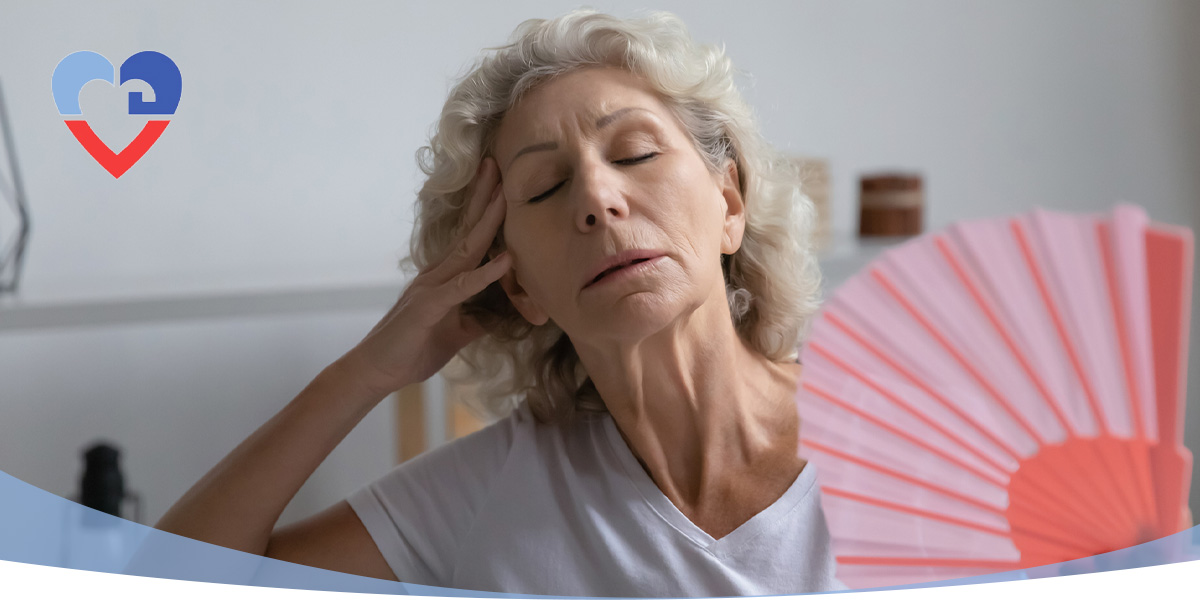
High summer temperatures represent a potential health hazard for seniors, whose bodies struggle to regulate heat as efficiently as they once did. Simple, practical steps make a real difference in preventing heat-related illness and keeping your loved one safe. These strategies help you recognize warning signs early and respond confidently when temperatures spike.
Age-related physiological changes compromise the body's cooling mechanisms, creating serious safety concerns during hot weather for older adults., creating serious safety concerns during hot weather for older adults.
The body's ability to regulate temperature declines with age. Seniors sweat less efficiently, and their blood vessels don't adjust as readily to redirect blood flow. Overheating can escalate quickly, even in moderately warm conditions. The perception of thirst also diminishes, leading to unintentional dehydration.
Existing health conditions complicate matters further. Heart disease strains the cardiovascular system in hot weather. Diabetes affects circulation, and kidney disease impacts fluid balance. Cognitive conditions, including Alzheimer's and dementia, create particularly high vulnerability. People with memory impairment may forget to drink water or wander outdoors during peak heat hours.
Recognizing heat-related illness symptoms quickly makes the difference between a manageable situation and a medical emergency.
Dehydration occurs when the body loses more fluids than it takes in. If you spot someone exhibiting these symptoms, immediately provide fluids and move them to a chilled space.
Heat cramps are involuntary muscle spasms that signal early heat stress. Have the person rest in an air-conditioned environment, stretch the affected muscles and rehydrate with water or electrolyte drinks.
Heat exhaustion escalates quickly. Immediately move the person to a cooler place if you notice these symptoms. Then, apply damp cloths, provide water if the person is alert enough to drink and monitor them closely.
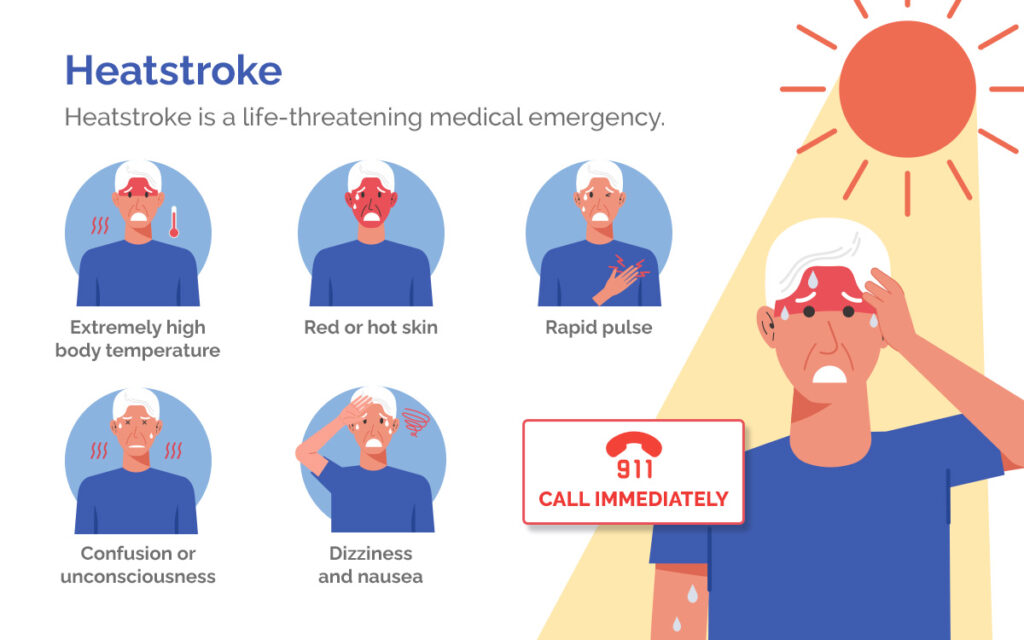
Heatstroke is a life-threatening medical emergency. Call 911 immediately. While waiting for first responders to arrive, move the person to a cooler area and lower their body temperature with damp cloths.
People aged 65 and older are at higher risk of heat-related health problems due to natural changes in how their bodies respond to temperature. You can prevent these illnesses by following summer heat safety tips for elderly adults. Air conditioning is the leading protective factor against heat-related illness and death, making it essential for seniors.
Keeping your loved one comfortable starts at home. If air conditioning isn't available, close the blinds during the hottest part of the day and avoid using the oven. Cool baths or showers provide immediate relief, and placing a damp cloth on the neck or wrists helps lower body temperature.
Urban areas reach temperatures up to 10° Fahrenheit higher than suburban neighborhoods. When fans alone don't provide adequate relief, local cooling centers offer air-conditioned respite during heat waves. You'll find cooling assistance and help with energy bills through your state or territory's Low Income Home Energy Assistance Program. For broader strategies, review this comprehensive home safety guide.
Older people have a decreased ability to notice when they get thirsty, so dehydration can occur without warning. Encourage older people to take regular sips of water throughout the day, and offer hydrating foods like watermelon, cucumbers and oranges as refreshing snacks. Dark-colored urine indicates dehydration and requires immediate fluid intake.
Avoid alcohol and caffeine, which worsen dehydration.
Lightweight, loose-fitting clothing in light colors reflects heat, and natural fabrics like cotton breathe better than synthetics. Wide-brimmed hats provide shade, while polarized sunglasses protect eyes from UV rays.
Apply broad-spectrum sunscreen with SPF 30 or higher about 15 minutes before going outdoors, then reapply every two hours. These summer safety tips protect skin during the hottest months and reduce the risk of burns and heat absorption.
The sun's rays are strongest between 10 a.m. and 4 p.m., so schedule errands or outdoor time during early morning or late evening instead. Even brief exposure during peak hours proves risky for seniors with chronic health conditions. When outdoor activities during midday heat are unavoidable, plan for frequent breaks in shaded or air-conditioned spaces and check the daily heat index beforehand to gauge actual risk levels.
Diuretics, beta-blockers and some antidepressants increase heat sensitivity, while some medications affect the hypothalamus — the part of the brain responsible for temperature regulation — which increases heat stroke susceptibility.
Reviewing medications with a health professional is a vital hot-weather precaution for the elderly. Ask a doctor for advice on what you should adjust to reduce heat-related risks this summer.
Taking hot weather precautions for older loved ones before peak heat arrives reduces stress and provides better protection.
Start with practical preparation:
When the forecast predicts a heat wave, sign up for weather alerts through your local emergency management office and plan to check on your loved one daily. Have backup plans ready, including identifying an alternative place to stay if their home becomes too hot.
Any sudden confusion warrants urgent medical attention, similar to recognizing the signs of a stroke. Immediately call 911 if you observe heatstroke symptoms — body temperature above 103° Fahrenheit, confusion, unconsciousness or hot, red skin.
For less severe but persistent concerns, contact a doctor if your loved one shows ongoing signs of dehydration or heat exhaustion that don't improve with cooling and hydration, or if you have questions about medication interactions during hot weather.
Managing summer heat risks doesn't have to fall on your shoulders. Village Caregiving offers compassionate in-home care that supports these strategies. Our family caregivers provide professional companionship services to keep your loved one engaged during hot days indoors. We also assist with meal preparation and nutrition, promoting proper hydration and healthy eating.
Contact us today to learn how we can create a personalized care plan that brings you greater peace of mind this summer.