





Rated 4.9+ stars by
verified, happy customers
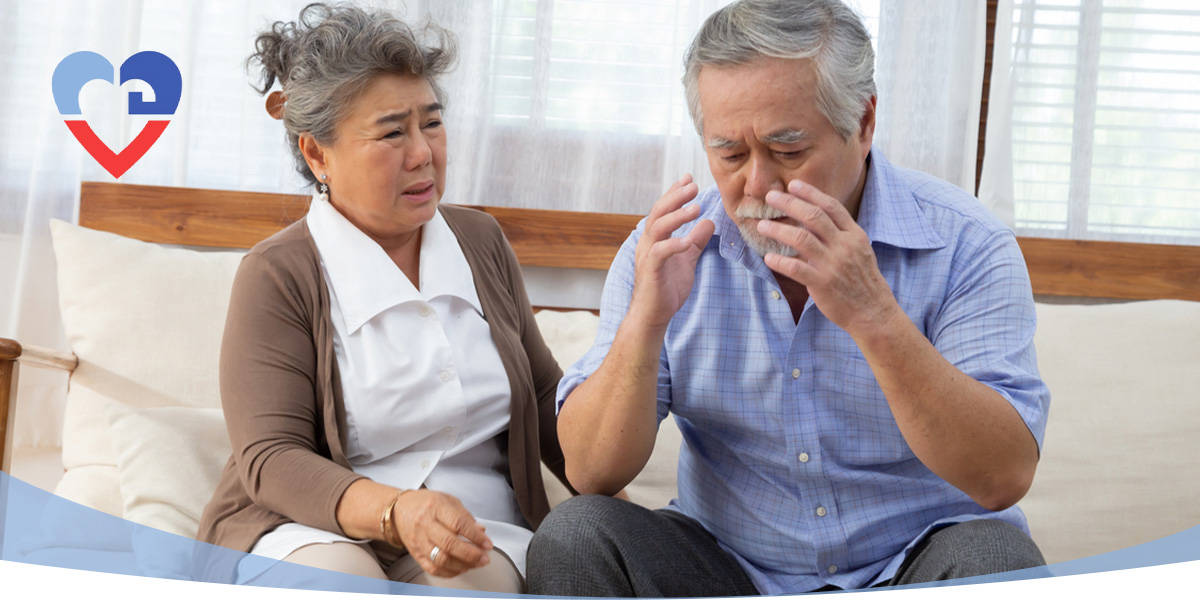
Mood changes are a natural part of the human experience. But if you or your loved one’s mood shifts as the seasons change and you find it challenging to overcome feelings of despair during winter months, you may have seasonal depression.
What exactly is seasonal depression? Is it dangerous? Below, we explore seasonal depression in older adults and how best to support someone who may be experiencing it.
Seasonal Affective Disorder (SAD) is a type of depression with seasonal patterns. Someone with this condition will experience mood shifts when seasons change. For many, symptoms become more severe during the fall and winter months when there is less sunlight and subside during spring and summer. This is why many refer to it as “winter depression.”
Symptoms of seasonal depression may include:
The National Institute of Mental Health highlights that millions of Americans likely experience SAD but may not know they have it. SAD tends to be more common among women, and winter-pattern SAD is more common than summer-pattern. Although the disorder can affect people of all ages, older adults can be particularly vulnerable if they live in climates that experience long winters. Studies have shown that SAD is more common among people who live far north or south of the equator. These areas tend to have decreased sunlight, especially during winter.
People who have relatives with SAD or other forms of mental health conditions may be more likely to develop the disorder. If you or your loved one has been diagnosed with a mood disorder like major depressive disorder (MDD) or bipolar disorder, the symptoms may worsen during winter months.
If you or someone you know is experiencing symptoms of seasonal depression, it’s important to reach out to a health care provider for proper testing and diagnosis. Treatment can be similar to other types of depression:
You may not be able to prevent your initial diagnosis of SAD. However, after consulting with your health care provider, you may be well-equipped to handle the condition more effectively using some of the above-mentioned strategies.
Light therapy involves exposing a patient to an artificial light source that mimics natural outdoor lighting. This exposure causes a change in brain chemicals, which can affect a person’s mood and help regulate the sleep cycle. There are different types of light therapy, and they are used to treat symptoms of conditions including MDD and SAD.
Specifically, light therapy helps:
The effectiveness of light therapy depends on various factors, such as the duration of use, light wavelength and an individual’s circadian rhythm. It is generally ok, but talk to your doctor before you start if you have a preexisting health condition like bipolar disorder or if you currently take medication.
As a family caregiver, there are many ways in which you can support an older adult with SAD.
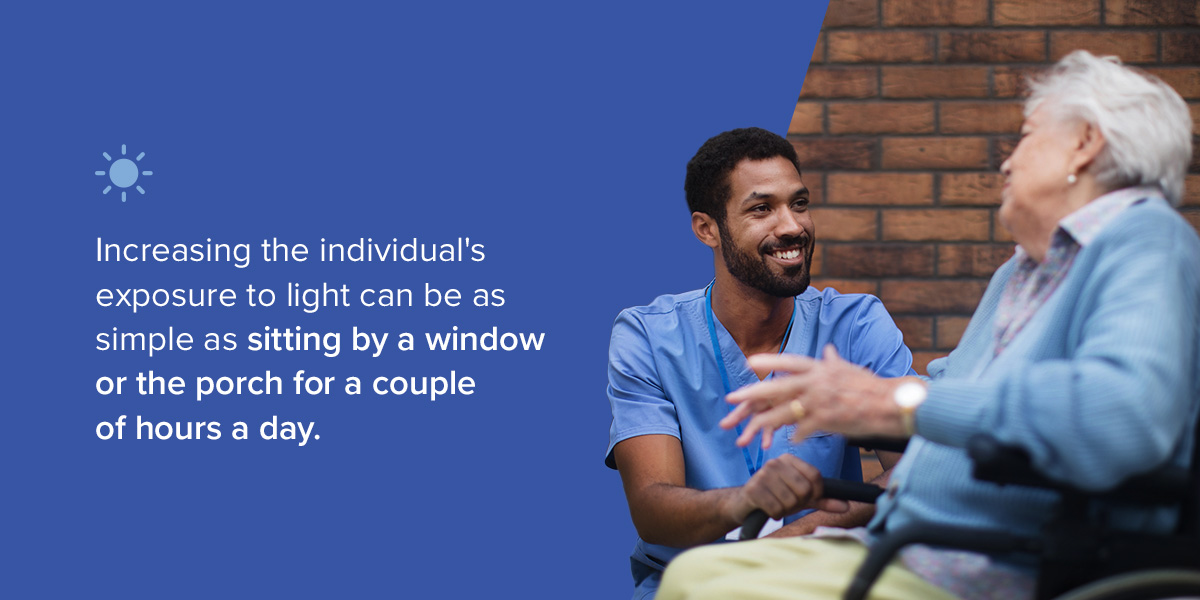
Increasing the individual’s exposure to light can be as simple as sitting by a window or the porch for a couple of hours a day. If they live in an area currently experiencing winter or minimal sunlight, light therapy boxes may help compensate for the lack of natural light when used correctly.
Multiple stress management techniques can be effective in treating symptoms of seasonal depression. For example, getting enough sleep can help your loved one feel well-rested, and maintaining a routine promotes feelings of calmness and control. Mindfulness meditation can help reduce anxiety, low moods and other stress-related conditions.
Nutrition is a critical area to focus on when caring for mental health. Studies show an undeniable link between what we eat and how we feel. A balanced diet for an older adult with SAD includes foods that support mood and brain function, such as:
Regular exercise is an effective way for older adults with seasonal depression to manage symptoms. Even gentle workouts can help ease feelings of anxiety and depression by shifting the mind away from problems. Thinking about trying to walk five minutes faster than yesterday can be a great way to keep a person’s mind away from negative thoughts. Exercise is also one of the most effective ways to release endorphins, which are “feel-good” hormones that can improve a person’s well-being.
When you encourage an older adult to exercise more, it’s important to be mindful of their physical limitations. Indoor exercises are also good options, especially when the weather doesn’t permit an outside activity. Examples include chair exercises, yoga and light stretching.
Multiple studies have linked social isolation with depression. While social interactions can be challenging during cold winter when most people prefer being warm inside, technology can play an essential role in bridging this gap.
As a family caregiver, you can help an older adult by:

Seasonal depression isn’t something to brush off. With the right plan, treatment and support, caregiving for mental health can help you or your loved one feel better and thrive as the seasons come. Village Caregiving is a dynamic and supportive in-home care agency that helps older adults live long, dignified, happy lives. To learn more about us and what we offer, fill out our online contact form or search for the Village Caregiving location closest to you.