
About 16% of hospitalized Medicare seniors in the U.S. are readmitted within 30 days. Quality senior care after hospital discharge has been shown to reduce the risk of hospital readmission, which is why it’s essential to understand the reasons for readmissions and how to avoid them.
Here, you will learn the importance of transitional care as the key to a safer, more successful recovery at home and gain practical tips on how to prevent rehospitalization of your loved one.
Understanding Hospital Readmissions
An unplanned readmission is when a patient returns to the hospital for the same or a related condition within 30 days of discharge. This can indicate issues with initial or follow-up care. Seniors who already face age-related challenges like reduced mobility, risks of falls or cognitive health issues are especially vulnerable after leaving the hospital.
This prompted the establishment of the Hospital Readmissions Reduction Program (HRRP). Its role is to encourage hospitals to reduce the high rate of readmissions by giving seniors and their family caregivers more support during the discharge phase. Included is patient education, care coordination and follow-up based on the most common causes of readmission, such as:
- Medication errors and non-adherence to medication regimens.
- Inadequate follow-up care with specialists or primary physicians.
- Poor communication between different healthcare providers.
- Lack of proper support and safety measures in the home.
- Insufficient education for patients and their family caregivers.
Transitions of Care (TOC) is the process of transferring a patient’s care from one setting or level of care to another. An estimated $44 billion is spent every year on poor transitions of acute care Medicare patients. To close the gap between hospital discharge and the return home, proper transitional care management is one of the most important factors in preventing hospital readmissions.
How to Prevent Hospital Readmission With Transitional Care
Research suggests that there is a significant drop in 30-day readmissions for patients who receive transitional care management (TCM) following discharge. Equivalent to preventing about 29 readmissions for every 1,000 beneficiaries who receive the service. There was also a $2,803 reduction in 90-day spending per beneficiary.
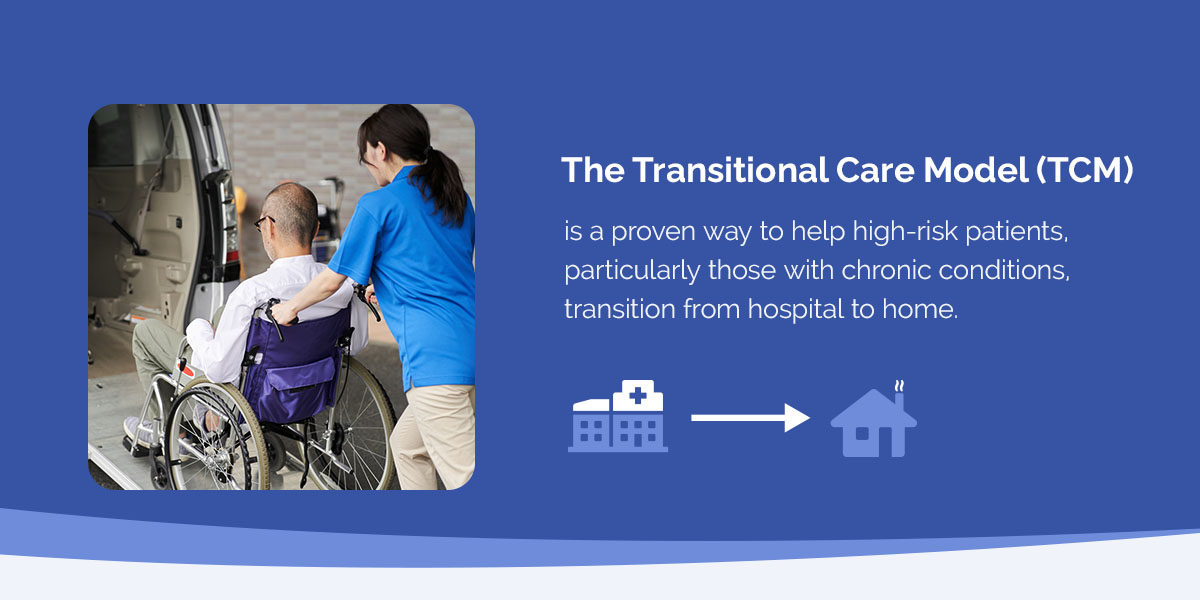
The Transitional Care Model (TCM) is a proven way to help high-risk patients, particularly those with chronic conditions, transition from hospital to home. Led by an experienced senior transitional care team, TCM uses coordinated, patient-centered care to plan and engage seniors and their families and prevent hospital readmission.
The process includes:
- Risk assessment.
- Collaborative care planning.
- Patient education.
- Symptom management.
- Provider communication.
Unlike hospice care, which prioritizes comfort and quality of life at the end of life and does not pursue curative treatments, TCM supports chronic illness management and recovery.
A Successful Transitional Care Plan
When transitioning a senior from hospital to home, an effective care plan will significantly lower the risk of readmission to the hospital. Start with careful planning.
Understand the Discharge Plan
A comprehensive discharge plan is key to a successful transition. Meet with the hospital’s discharge planner or case manager to get a written care plan. Ask for clarification on the following:
- All medical terms relevant to your loved one’s condition
- Their medication regimen
- Follow-up appointments
- Appropriate diet and physical activity
- Potential warning signs of complications
- How to perform care tasks at home, like handling wound care, using medical equipment or assisting with mobility
Recognition and response to early warning signs and symptoms of a worsening condition are a vital part of learning how to prevent readmissions. Part of your discharge planning includes providing a clear, written action plan detailing who to contact and what steps to take if specific symptoms arise. Establish clear lines of communication, like a patient hotline, and ensure the resource is readily available for you to address urgent questions.
Fully understanding the plan prepares you to support your loved one and is key to preventing rehospitalization.
Medication Management
Managing multiple prescriptions for different conditions can be complex, but there are strategies that make managing multiple medications easier:
- Before leaving the hospital: Ensure the hospital provides a finalized list of all medications to be taken after discharge, including new prescriptions, stopped drugs and dose changes. Request written instructions that detail the purpose, dosage and schedule for each medication. Understand why any medications were changed, stopped or added during the hospital stay.
- At home: Keep a single, up-to-date list of all current medications, including prescriptions, over-the-counter drugs and supplements, to share with all healthcare providers.
- Ongoing care and coordination: Always bring all medication bottles, including over-the-counter and supplements, to every doctor’s visit. Keep your primary doctor and pharmacist informed of all medications being taken and encourage coordination between all prescribers to prevent conflicts. Ask the doctor about “deprescribing,” or stopping medications that may no longer be necessary or beneficial, especially after a hospital visit. Seniors can be more susceptible to adverse reactions due to age-related physiological changes, so report any new or unusual side effects to your doctor immediately.
Coordinated Care
Prevent hospital readmission by carefully coordinating your loved one’s recovery. Appoint one family member as the main point of contact for all medical discussions. This person can relay information to other caregivers and family members to ensure a consistent and accurate flow of information.
Ensure clear communication between family, professional caregivers and primary care physicians. This can be done via meetings or dedicated communication apps.
Keep a detailed, dated journal of all health information, including vital signs, symptoms, mood and any issues like pain or difficulty swallowing. This log should be accessible to all caregivers and providers to ensure continuity of care. Here’s where you include the logistics of scheduling and attending all necessary follow-up appointments.
Involve your senior loved one in their care, using clear language and active listening. Patience is key, and written notes or nonverbal signals can be helpful for those with cognitive or speech impairments.
Home Safety and Support
Address crucial nonmedical factors like nutrition and a safe home environment. Active management of these areas can improve health outcomes and prevent hospital readmission. Ensure the following:
- A safe and supportive home environment: Assess the home environment for hazards like loose rugs, poor lighting and electric cords. Installing safety measures, like grab bars in the bathroom and handrails on stairs, can greatly improve mobility and safety. Rearrange furniture to create clear, safe walking paths and ensure frequently used areas like the kitchen and bathroom are easily accessible. All aids like walkers, hearing aids and eyeglasses should be within easy reach.
- Proper nutrition and hydration: Seniors may experience a decreased appetite or metabolism after hospitalization. Family caregivers can prepare balanced, nutritious meals that meet any new dietary requirements with enough protein, vitamins and minerals for recovery. Dehydration is a common issue among seniors. Family members can provide frequent reminders and have water or other healthy fluids easily accessible throughout the day.
- Establishing a routine: A predictable routine for meals, exercise, sleep and medication provides a sense of security and familiarity, which can help combat confusion and anxiety, especially for those with cognitive impairments. While establishing a routine is helpful, it is important to respect your loved one’s autonomy and involve them in planning their activities and care. This helps them maintain their sense of independence and dignity.
Emotional Support and Mental Well-being
Hospitalization can cause anxiety, depression and a loss of confidence, particularly after a major health event like congestive heart failure (CHF). It’s likely that family caregivers also worry about how to prevent a CHF readmission of their loved one.
With a comprehensive transitional care plan in place, it’s important to take care of your mental health and that of your senior loved one. Social connection is linked to improved health and longevity. Regular chats, active listening and patience are crucial for emotional well-being. Encourage your loved one to participate in activities that match their interests, whether an online book club or simply visits from friends and other family members.
When in-person interaction is difficult, caregivers can set up communication via video calls or social media to help them stay connected. Always follow medical guidelines and the advice of professional caregivers when arranging activities that may tire or tax a recovering senior. Caregivers shouldn’t try to manage everything alone. Community support, peer groups and counseling offer practical help and emotional support. This helps prevent caregiver burnout.
Make sure to keep open communication channels with healthcare providers about your loved one’s nonmedical needs, which should be considered in the overall care plan. Family insights can often help bridge the gap between hospital and home care. Explore respite care services in your area. They can provide relief, allowing caregivers to rest, recharge and attend to their own needs, which ultimately improves the quality of care family caregivers can provide.
Transitional Care with Village Caregiving
Transitional care professionals help make post-hospital recovery smoother, safer and more comfortable with expert knowledge of how to prevent hospital readmission. These caregivers monitor your loved one at home, alert providers to concerns and follow safety protocols to prevent falls and injuries. They are able to help improve quality of life by providing companionship and help with chores and errands.
Village Caregiving specializes in personalized in-home transitional care for seniors. Their experienced senior transitional care team addresses the unique recovery challenges faced by your family and loved one. Using active listening, emotional support and assistance with daily activities, they help to make the adjustment as smooth as possible.
Checklists for Families Supporting a Loved One’s Transition Home
To ease the process, prepare for hospital discharge and the journey ahead with the use of checklists. Preparation will ease the transition from hospital to home.
Before Leaving the Hospital
The first phase of planning includes:
- Coordinate with the discharge planner: Actively participate in discussions with hospital staff to develop a clear, written care plan.
- Understand the care plan: Get a summary of the diagnosis, treatment, dietary needs, physical limitations and therapy recommendations.
- Clarify medications: Obtain a comprehensive, written list of all medications, dosages, schedule and potential side effects. Ask the hospital staff to demonstrate how to administer any new medications.
- Schedule follow-up appointments: Ensure all necessary follow-up appointments with physicians, specialists and therapists are scheduled before discharge.
- Arrange home care services: Request referrals for necessary services like skilled nursing, physical therapy, occupational therapy or professional caregivers. Understand what services are covered by insurance.
- Learn necessary skills: Ask nurses or therapists to provide hands-on demonstrations for any care procedures you are expected to perform at home.
Before Arriving Home
Secure the home for safety and comfort:
- Conduct a home safety assessment: Remove tripping hazards like loose rugs and clutter from pathways. Ensure adequate lighting in all rooms, especially near stairs and the bathroom. Install safety equipment as needed, such as grab bars in the shower/toilet area, nonslip mats or a shower chair.
- Set up medical equipment: Arrange for any necessary medical equipment to be delivered and set up beforehand. Learn how to use it correctly from the supplier or hospital staff.
- Stock up on supplies: Purchase a sufficient supply of medical items, personal care products and groceries, especially easy-to-prepare meals for the first few days.
- Prepare a central location: Designate a specific, easily accessible place to store medications, a medication schedule and a notebook for recording information and questions. Post emergency contact numbers in a visible location.
Ongoing Care and Support
Ensure their long-term recovery:
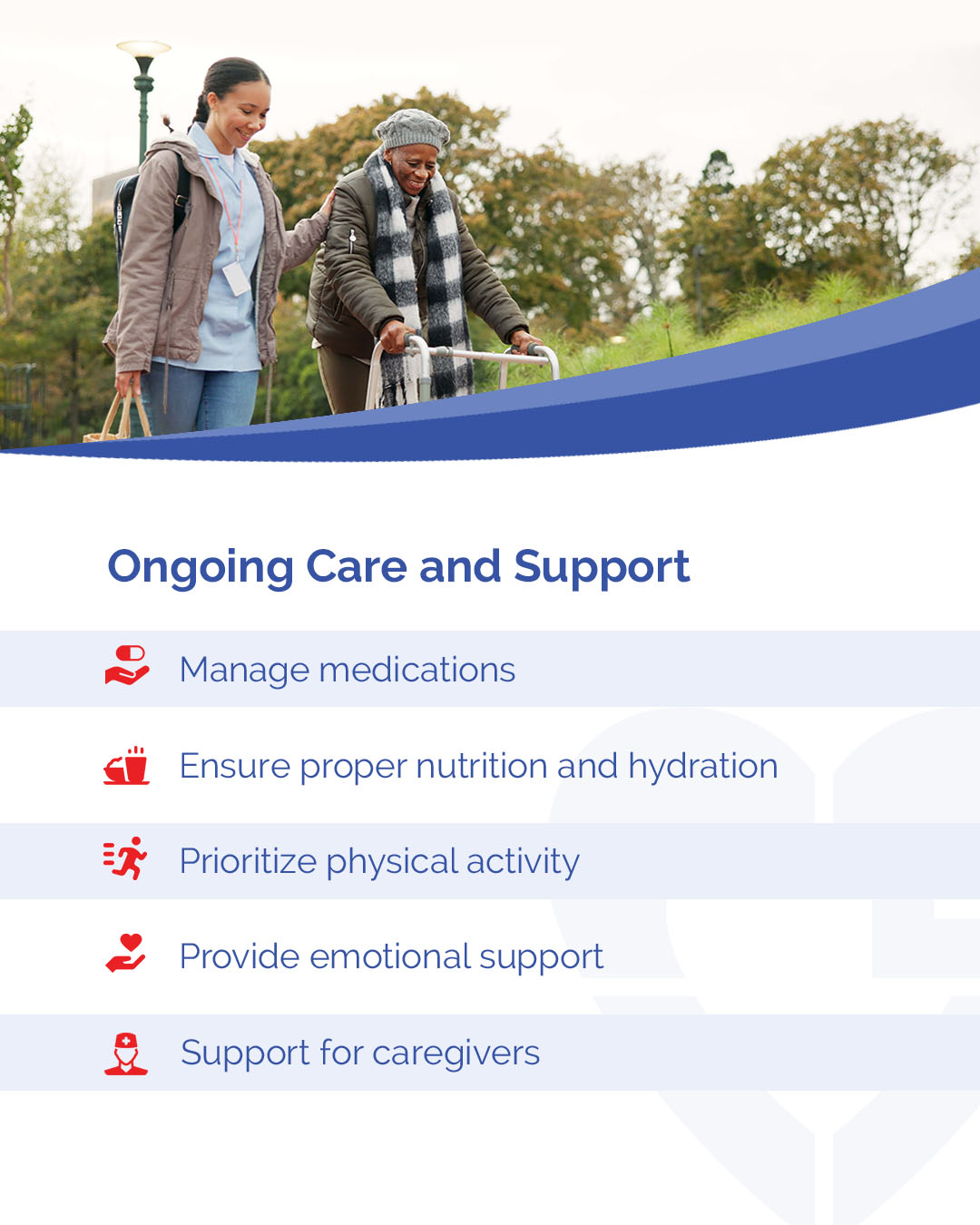
- Manage medications: Use a pill organizer and a visible schedule to help ensure medications are taken correctly.
- Monitor health and symptoms: Closely watch for any new symptoms or side effects, and know who to contact if concerns arise, like a 24/7 health professional contact number.
- Ensure proper nutrition and hydration: Plan for nutritious meals and adequate fluid intake to support recovery, taking into account any dietary restrictions.
- Prioritize physical activity: Support the senior in following their physical therapy exercises and mobility recommendations to regain strength and prevent falls.
- Provide emotional support: Hospitalization can be a disorienting experience. Offer companionship, involve them in decision-making and encourage light hobbies to support their mental and emotional well-being.
- Support for caregivers: Acknowledge your own limits. Arrange for respite care to take breaks and prevent burnout. It is okay to ask for help from other family members or professional services.
Long-Term Benefits of Quality Transitional Care
The long-term benefits of transitional care management for seniors include improved physical function, better quality of life and reduced healthcare costs through fewer hospital readmissions and emergency visits.
This support helps seniors maintain independence longer, sometimes delaying or avoiding the need for long-term care. It can also lead to greater mental health and overall satisfaction with their care.
Ensure a Safe Recovery With the Right Support
With the high rate of readmissions, families of seniors often worry about how to prevent hospital readmission, but expert help is readily available. Through education, training and support, you can smooth your loved one’s transition to recovery. If you do not feel entirely prepared, you can still ensure your loved one has the support they need for a safe recovery.
Contact Village Caregiving today to learn more about our personalized transitional care services and get the peace of mind your family deserves.
Recent Comments